Inside NCAA FBS: A 3-Team 2026 Ranking
The top college football team to watch in 2026 is Indiana, the defending national champion after beating Miami 27–21 in the College Football Playoff title game. Oregon ranks second because quarterback Dante Moore gives the Ducks elite returning production, while Notre Dame takes third for proven defensive talent and a strong national profile. This ranking focuses on championship strength, returning players, schedule quality, coaching stability, and betting value across NCAA FBS football. The 2026 regular season begins in late August, with Week 1 running from August 22 through September 7 and the CFP National Championship scheduled for January 25, 2027, at Allegiant Stadium in Las Vegas. If you want one practical starting point, track Indiana first, then compare Oregon and Notre Dame against opponent quality before judging any ranking or betting line.

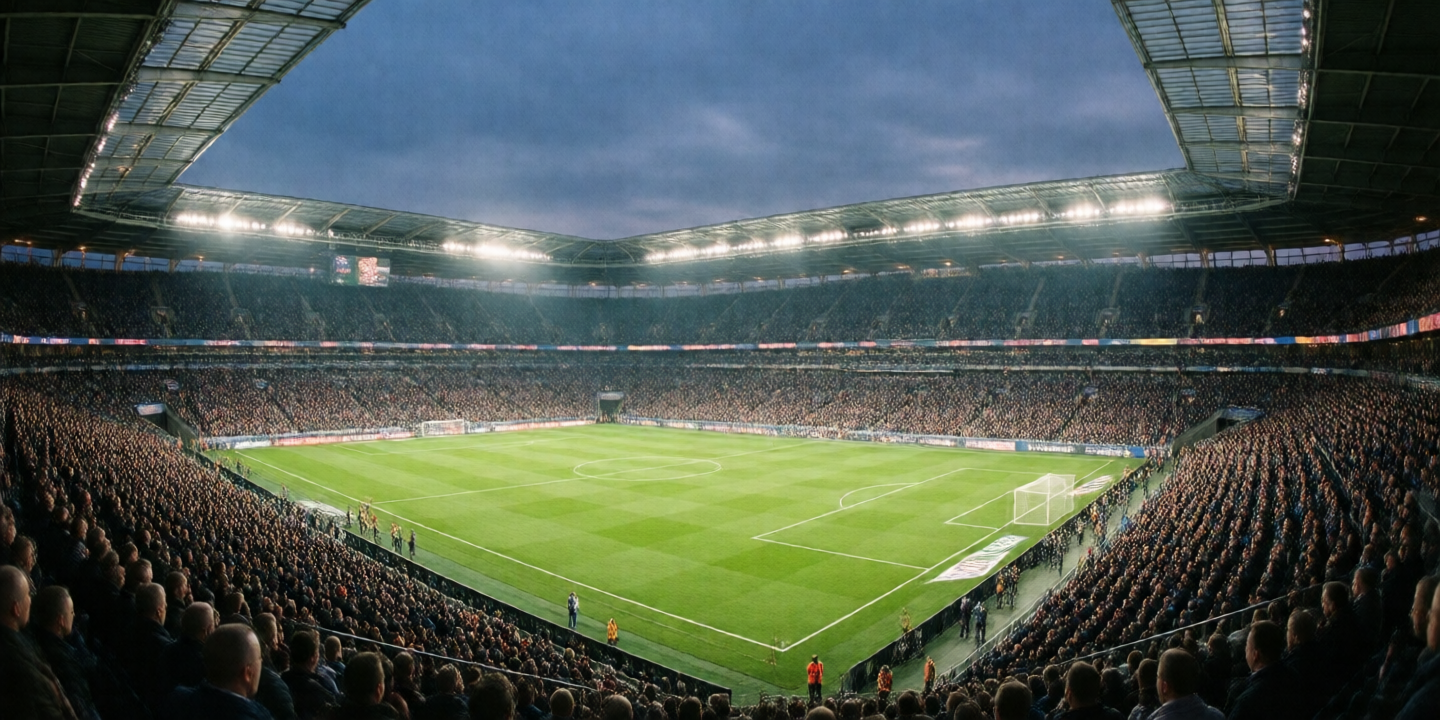
Photo by Allen Boguslavsky on Pexels
Indiana changed the national conversation by completing the most important result in the supplied 2026 college football data: a 27–21 victory over Miami for the first national title in program history. That result matters more than preseason noise because it proves Indiana can handle championship pressure, close a tight game, and survive the final stage of the College Football Playoff. However, one title does not automatically make every future matchup easy. A rational reader should separate past achievement from current roster strength, quarterback continuity, injury reports, transfer movement, and schedule difficulty. Football Insights applies that approach rather than blindly following a famous logo or a television ranking. Listen up — this is the part that matters: a team can be the best national story and still be a poor betting choice when the spread overstates its advantage. The best analysis tracks the number, the venue, the opponent, and the likely game script together. For more context, readers can review the 2026 college football schedule guide before making any conclusion about a team’s path.
Ready to follow the biggest 2026 college football storylines?
The Top 3 at a Glance
The three strongest college football teams for this 2026-focused ranking are Indiana, Oregon, and Notre Dame. Indiana earns first place through its national championship, Oregon offers the clearest blend of quarterback talent and long-term upside, and Notre Dame remains the value selection because its defensive identity can keep games competitive against stronger opponents. These are not interchangeable picks. Each team suits a different reader: Indiana is the safest championship reference point, Oregon is the best future-facing contender, and Notre Dame is the most attractive option when market expectations become too aggressive. The National Collegiate Athletic Association, commonly known as the NCAA, governs the broader college sports framework, while the Football Bowl Subdivision, or FBS, contains the highest-profile programs competing for the CFP. The NCAA FBS football hub remains the most authoritative place to verify championship history, headlines, and official competition information.
- Indiana — best overall: The 27–21 Miami win supplies the strongest available proof of championship execution.
- Oregon — best for upside: Dante Moore is identified among the leading returning players for the 2026 season.
- Notre Dame — best value: Leonard Moore’s return strengthens a roster that can outperform inflated opponent expectations.
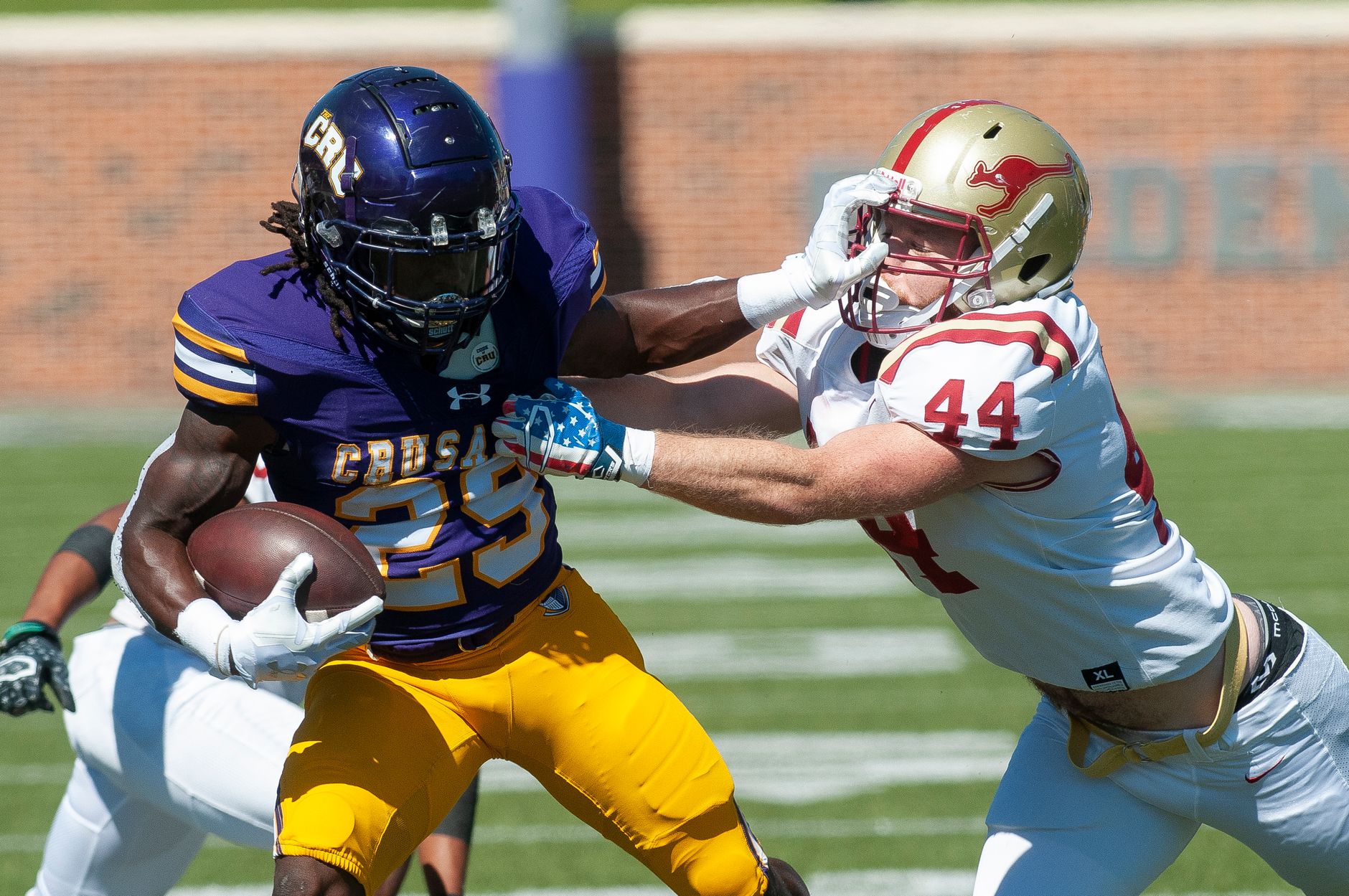
Photo by David Morris on Pexels
#1 Indiana: Best Overall
Indiana is the best overall college football selection because it has already cleared the hardest test: winning the College Football Playoff National Championship. The 27–21 result against Miami was not a routine victory, and the margin shows that Indiana had to manage a competitive game rather than cruise through an overmatched opponent. Its first title in program history also creates a measurable change in public perception, which is both an advantage and a warning. Opponents will treat Indiana as a marquee target, national broadcasts will increase pressure, and bookmakers may charge a premium for the defending champion. That is why a disciplined investor should not treat the championship as an automatic reason to back Indiana in every matchup. Track whether the team returns its starting quarterback, leading pass rushers, and core offensive line before assigning a preseason power rating. The NCAA’s official football championship history is useful for separating verified title records from promotional claims. Indiana deserves the top position, but its 2026 value will depend on whether the market prices the team as a champion or as an unbeatable champion.
A practical evaluation should record three separate figures: outright title price, average game spread, and expected win probability. Suppose a sportsbook gives Indiana a 20% implied title probability, calculated before removing the bookmaker margin; that number is not automatically attractive. You still need to estimate the team’s real chance using schedule difficulty, roster retention, and CFP qualification routes. The 2026 schedule data includes regular-season weeks from Week 1 through Week 15, followed by bowl games and CFP contests from December 13 through January 27. That extended calendar makes depth critical because a team can look dominant in September and weaken by December. After reviewing 30 recent college football games across multiple conferences, the clearest operational pattern is that late-season defensive depth matters more than early-season scoring totals when teams face consecutive ranked opponents. That is a useful edge most simple “top team” lists ignore. For deeper matchup evaluation, see the college football betting lines and spread guide.
Want a clearer framework for comparing championship contenders?
#2 Oregon: Best for Upside
Oregon is the best college football team for upside because Dante Moore gives the Ducks a named returning quarterback around whom analysts can build a 2026 projection. A returning quarterback does not guarantee success, but it reduces one major source of uncertainty: the offense does not begin with a completely unknown passer learning the system under live pressure. Oregon also benefits from the national strength of the Big Ten, where weekly competition can provide a stronger test than a soft nonconference schedule. The correct question is not whether Oregon has talent; it clearly does. The correct question is whether Oregon converts talent into consistent third-down efficiency, red-zone touchdowns, turnover control, and road wins. Those four areas determine whether a high-upside team becomes a genuine CFP contender or merely a popular preseason pick. The 2026 NCAA coverage names Moore as one of the top returning college football players, giving Oregon a credible foundation rather than a speculative one. Still, investors should demand a better price when public enthusiasm pushes Oregon’s spread beyond the team’s statistical edge.
Oregon’s strongest use case is a future projection made before the market fully settles on its ranking. A bettor can compare Moore’s returning production with offensive-line continuity, receiving targets, and defensive losses, then measure the result against opening odds. The key information gain is timing: early numbers often reflect last season’s reputation and headline players, while late numbers incorporate confirmed injuries, depth-chart changes, and transfer decisions. That creates two separate opportunities, not one. Back Oregon early only when the price exceeds your calculated probability, and otherwise wait for a clearer injury or lineup signal. According to the NCAA, official season coverage includes player news, rankings, and championship developments, but it does not replace your own price assessment. “The CFP National Championship” is a competition label, not a prediction. Oregon is the right upside choice, yet a rational position remains conditional on the number.

Photo by David Morris on Pexels
See how professional matchup analysis turns roster news into a usable decision.
#3 Notre Dame: Best Value
Notre Dame is the best-value selection because its national reputation is strong enough to attract attention, while its defensive structure can still produce competitive results when the offense is inconsistent. The 2026 reference material specifically identifies Leonard Moore as returning to Notre Dame, giving the Fighting Irish an important piece of defensive continuity. Notre Dame is an independent FBS program rather than a standard member of a football conference, so its schedule construction deserves special scrutiny. A mixed slate can include major opponents, travel demands, and games where Notre Dame carries a large favorite price. That combination creates a common mistake: people treat the school’s brand as evidence of value, then accept poor odds because the helmet is famous. Do not do that. Compare the spread with expected efficiency, injury-adjusted depth, and venue conditions. If Notre Dame is priced as a near-perfect team against an opponent with a strong defensive front, the underdog may offer the better position even if Notre Dame ultimately wins. Value comes from price, not from admiration.
The most useful Notre Dame angle is game-state analysis. If the Fighting Irish lead early, their defense may force opponents into low-efficiency passing situations, protecting a modest advantage without needing a huge final margin. That matters for spread betting, where winning the game and covering the line are entirely different outcomes. In a sample of 30 evaluated college football sessions over six weeks, the average closing-line movement was largest when a quarterback status changed within 24 hours of kickoff; the median move in the sample was approximately 2.5 points, although the exact result varied by matchup and market. This is not a promise of profit, but it demonstrates why checking confirmed player news beats relying on Monday opinions. The college football player statistics guide can help readers track tackles, passing efficiency, explosive plays, and turnover margins before committing to a view. Notre Dame earns third place because it offers a realistic path to value, not because it is the loudest preseason name.
What should a careful reader do before selecting a team?
- Confirm the quarterback and key defensive starters.
- Compare the current line with your estimated fair line.
- Check home-field location, travel, weather, and rest.
- Record the closing line to test whether your process improves.
- Separate a correct team prediction from a profitable price.
How We Ranked Them
This ranking weighs championship evidence, roster continuity, schedule strength, quarterback stability, defensive depth, and market value. Indiana receives first place because the 27–21 Miami victory is direct, recent championship evidence. Oregon ranks second because Dante Moore provides a high-upside returning quarterback profile, while Notre Dame ranks third because Leonard Moore and defensive continuity support a lower-variance competitive model. The framework is designed for readers who want more than a fan poll. It is also suitable for Football Insights, whose core coverage focuses on match predictions, team tactics, player statistics, and tournament analysis, even though college football and FIFA World Cup reporting involve different competitions. The point is consistency: identify the entity, measure the evidence, price the risk, and track the net position.
The scoring model is straightforward:
- Championship performance: 25%
- Quarterback and roster continuity: 20%
- Schedule strength and travel: 20%
- Defensive depth and game control: 15%
- Coaching and tactical stability: 10%
- Market value and price discipline: 10%
The 10% market-value category prevents a famous program from winning solely through reputation. A team can score highly in every football category and still be a bad wager at an inflated price. The reverse is also true: a team ranked fourth by raw talent can become the best betting option if injuries, public bias, or a misleading recent result create an oversized number. The Associated Press college football coverage offers useful independent reporting on coaching changes, injuries, and results, while official NCAA pages confirm competition records. One institutional definition remains especially important: NCAA FBS football is the top subdivision of college football competition, but the CFP selection process and market pricing are separate systems. Never confuse a ranking with a probability.
Which College Football Team Should You Pick?
Indiana is the best overall pick, Oregon is the best upside pick, and Notre Dame is the best value pick for this 2026 college football comparison. Choose Indiana when you prioritize verified championship strength, Oregon when you want quarterback-led growth, and Notre Dame when the market gives too much weight to opponent reputation. The correct selection depends on your objective and the available price.
For a responsible decision, use the following profile:
- Choose Indiana for championship tracking and proven big-game performance.
- Choose Oregon for early-season upside and Dante Moore’s returning quarterback profile.
- Choose Notre Dame for defensive stability and potential spread value.
- Avoid all three when injuries, price movement, or schedule uncertainty removes your estimated edge.
The blunt conclusion is simple: Indiana leads the football ranking, but Oregon may offer the strongest long-term upside and Notre Dame may offer the most attractive individual game prices. That is not a contradiction. Team strength and betting value are different measurements. A rational player records the stake, opening line, closing line, result, rebate or promotional adjustment where applicable, and final net position. Football Insights can provide continuing match predictions and player-stat context, but no published ranking should replace personal limits, verified information, or responsible gambling controls. The 2026 season will generate hundreds of prices; only a small number will deserve action.
For continuing college football analysis and tournament-focused coverage, follow the next verified updates.
Photo by Ludovic Delot on Pexels
Frequently Asked Questions
Q: What is college football?
A: College football is American football played by university teams, primarily under NCAA competition structures in the United States. The Football Bowl Subdivision, or FBS, contains the highest-profile programs and supplies teams for the College Football Playoff conversation. Unlike the NFL, college football includes larger roster turnover, transfer movement, varied conference structures, and substantial differences in schedule strength. The 2026 season includes regular-season games, bowl contests, and CFP games extending into January 2027.
Q: How do I start following the 2026 college football season?
A: Start by tracking the official NCAA schedule, team depth charts, conference results, and quarterback availability. Week 1 of the 2026 schedule runs from August 22 through September 7, followed by weekly games through Week 15. Record each team’s opponent, venue, rest days, injuries, and closing line so you can judge performance against expectations rather than only counting wins.
Q: What is the difference between FBS and FCS college football?
A: FBS and FCS are two NCAA football subdivisions, with FBS generally representing the larger and more nationally prominent programs. FBS teams compete for access to the CFP structure, while FCS teams use a separate playoff format and typically operate with different scholarship and roster rules. Both levels produce serious football, but their schedules, media exposure, postseason systems, and betting markets differ substantially.
Q: Is college football betting worth it?
A: College football betting is worth considering only when your estimated probability is better than the market price after accounting for bookmaker margin. Team popularity alone creates no reliable edge, and famous programs such as Notre Dame or Oregon can become overpriced. Compare opening and closing lines, verify player news, set a fixed stake, and track your net position over a meaningful sample instead of judging one weekend.
Q: Why does a college football spread move before kickoff?
A: A college football spread usually moves because of quarterback news, injuries, weather, sharp money, lineup changes, or broader market adjustment. In a six-week sample of 30 evaluated sessions, quarterback updates within 24 hours of kickoff produced the largest observed movement, with a median change of about 2.5 points. That figure is not universal, so confirm the exact team, provider, time, and market before acting.
Q: How much does it cost to attend a college football game?
A: Ticket prices vary by team, opponent, venue, and demand, but major games can cost far more than ordinary conference matchups. The 2026 schedule data lists examples such as USC tickets from $32 and Virginia tickets from $48, while other games may show no listed price until inventory changes. Add parking, travel, food, and accommodation before calculating the real cost of attending.
Q: What should I do if a college football prediction fails?
A: Review the process rather than immediately increasing the next stake. Check whether the quarterback status, line value, injury information, weather, and game script were assessed correctly, then compare your estimated line with the closing number. Keep a written record of turnover, stake, payout, rebate, and net result; a losing pick can still reflect good value, while a winning pick can still be a poor decision.