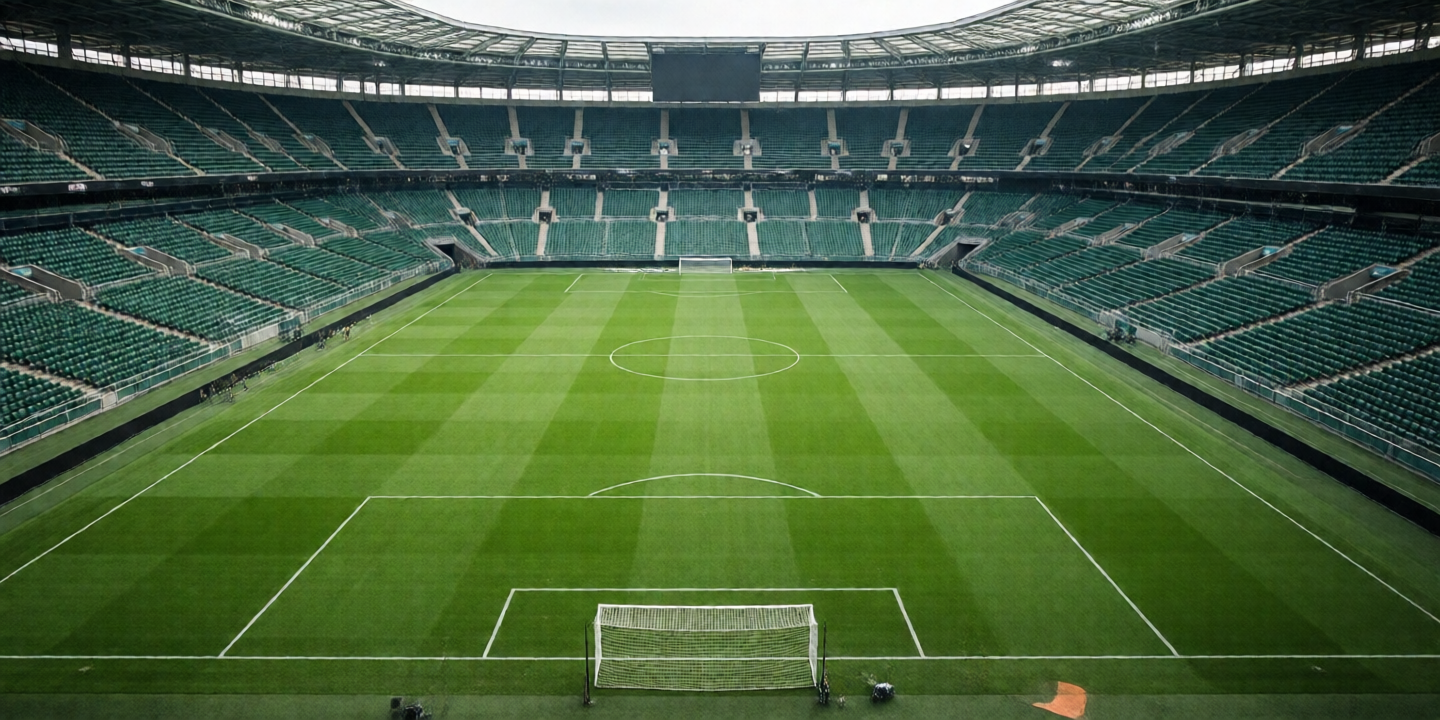
Inside Mercedes-Benz Stadium: A 4-Day Match Plan
The 2026 FIFA World Cup is the first 48-team tournament, staged across 16 host cities in Canada, Mexico, and the United States from June 11 to July 19, 2026. Football Insights identifies Atlanta’s Mercedes-Benz Stadium as the strongest base for serious fans because it combines major knockout-stage access, efficient downtown transport, and a proven football atmosphere. Los Angeles also matters, hosting eight matches and 39 days of fan celebrations. The tournament uses 104 matches, up from 64 in 2022, creating more prediction angles and travel demands. Match schedules, ticket rules, entry requirements, and official fan events can change, so visitors should confirm details through FIFA and each host-city committee before paying. The actionable move is simple: choose your city first, then build your match, transport, accommodation, and bankroll plan around confirmed fixtures.
Photo by Alizain Hirani on Pexels
The 2026 football World Cup is not a normal summer sporting event. It is a continental operation covering three countries, several time zones, long travel distances, and a tournament format that adds 16 teams compared with Qatar 2022. That scale creates opportunity for fans, analysts, and responsible sports bettors, but it punishes lazy planning. A supporter who treats Atlanta, Los Angeles, Mexico City, Toronto, and Vancouver as interchangeable destinations will lose time and money.
Football Insights focuses on the details that affect the actual experience: stadium access, match density, travel friction, team strength, player form, and the difference between an attractive price and a genuinely useful prediction. Listen up — this is the part that matters: the best World Cup base is not always the city with the most famous landmarks. It is the city that gives you reliable transport, meaningful fixtures, manageable costs, and enough recovery time between matches.
Want a sharper tournament overview before planning your trip?
The Top 3 2026 World Cup Bases at a Glance
The strongest choices below are ranked for football access, travel practicality, atmosphere, match importance, and analytical value. This is not a popularity contest. New York/New Jersey may offer a final, while Mexico City offers history and altitude, but Atlanta and Los Angeles provide the clearest combination of event quality and usable fan infrastructure.
- Atlanta, United States — best overall: Mercedes-Benz Stadium hosts eight matches, including a semifinal, while MARTA and downtown hotels simplify movement.
- Los Angeles, United States — best for fan celebrations: SoFi Stadium hosts eight matches, and the Los Angeles Football Club committee has planned 39 days of public activity across the region.
- Mexico City, Mexico — best value: Estadio Azteca offers historic significance and a potentially lower daily budget than many United States host markets, although altitude requires physical preparation.
The wider host-city list includes Vancouver, Seattle, San Francisco Bay Area, Kansas City, Dallas, Houston, Monterrey, Guadalajara, Toronto, Philadelphia, Miami, Boston, and New York/New Jersey. Each location has a different match mix and travel profile. A semifinal in Atlanta is more valuable to a knockout-stage follower than a group match in a city requiring expensive internal flights, even if the latter destination has stronger general tourism appeal.
complete 2026 World Cup host-city guide
Why does Atlanta rank first for football 2026 World Cup travelers?
Atlanta ranks first because Mercedes-Benz Stadium combines eight FIFA World Cup 2026 matches, a semifinal, central transport connections, and a deep football culture in one compact visitor base. The city’s MARTA rail network also reduces dependence on surge-priced rides during high-demand match days.
Atlanta is built for large events. Mercedes-Benz Stadium sits beside Centennial Olympic Park, State Farm Arena, the Georgia World Congress Center, and major downtown hotels, which means a visitor can move between the stadium, fan activities, restaurants, and public transport without crossing an entire metropolitan area. That matters when kickoff ends late and tens of thousands of supporters leave simultaneously.
The stadium itself is a major asset. Its retractable roof protects matches from Atlanta’s summer heat and heavy rain, while the circular halo video board creates a strong visual experience even for fans seated far from the pitch. Atlanta United has already established an unusually loud football culture in the United States, and that existing support gives World Cup matches a ready-made atmosphere rather than a temporary event feeling.
Atlanta’s main weakness is weather. June and July can bring heat, humidity, and sudden storms, so visitors should schedule outdoor sightseeing early in the day and reserve indoor time near kickoff. Hotel prices around downtown, Midtown, and the airport will also rise sharply around high-demand matches. Book refundable accommodation where possible, then compare the total cost with staying near a MARTA station rather than paying a premium for a hotel beside the stadium.
The analytical angle is even stronger. A semifinal creates a valuable late-tournament anchor, while nearby matches allow fans to follow a team’s path without automatically changing hotels. Football Insights readers should track confirmed match allocations, rest days, squad announcements, and travel schedules before making any prediction. Tournament betting is about net position, not one exciting selection; record the stake, odds, possible return, and rebate separately.
What makes Los Angeles the best base for fan celebrations?
Los Angeles is the strongest choice for fans who value public viewing, music, food, culture, and extended community events alongside stadium matches. SoFi Stadium hosts eight World Cup matches, while the Los Angeles Football Club committee promotes a FIFA Fan Festival at the LA Memorial Coliseum and 39 days of celebrations.
Los Angeles offers a different proposition from Atlanta. The city is spread across a huge area, so transport planning is non-negotiable. SoFi Stadium is in Inglewood, while the LA Memorial Coliseum is near Exposition Park, downtown Los Angeles, and USC. These are not short walks from one another, and traffic on the 405, 10, 110, and 105 freeways can alter a match-day journey dramatically.
The upside is variety. A visitor can pair a match with the Pacific coastline, Koreatown restaurants, Hollywood, Santa Monica, Exposition Park, or a public festival. The city’s film, music, and food industries also make it likely that official and unofficial events will compete for attention throughout the tournament. That breadth is excellent for groups with different interests, but it can become expensive if every day involves a long rideshare journey and premium dining.
A practical Los Angeles plan divides the city into zones. Stay near the event cluster on match days, avoid crossing the metropolitan area immediately before kickoff, and use rail or shuttle options where officially available. Never assume a standard travel time based on a map’s distance. A 12-mile journey can become a two-hour problem when a major match, concert, or freeway closure hits at the same time.
The value calculation is clear. Los Angeles can deliver more non-match entertainment than any other United States host city, but the daily budget needs a transport allowance. Estimate accommodation, food, local travel, ticket-related charges, and an emergency reserve before committing. If the numbers do not work, choose Atlanta or Mexico City instead of pretending the overspend will somehow disappear.
Ready to compare cities through a practical fan lens?
Why is Mexico City the best-value World Cup option?
Mexico City offers the best potential value because Estadio Azteca provides historic World Cup significance, the city has extensive public transport, and everyday expenses can compare favorably with major United States markets. However, altitude, air quality, and congestion make preparation more important than in Atlanta.
Estadio Azteca has hosted World Cup finals in 1970 and 1986, making Mexico City one of the tournament’s most historically important venues. It is also the only stadium to host matches at three different World Cups after the 2026 tournament. That history carries genuine appeal, but nostalgia should not replace planning. Renovation work, access procedures, seating arrangements, and official transport instructions must be checked close to the event.
Mexico City sits at roughly 2,240 metres above sea level. Visitors arriving from low-altitude regions may notice fatigue, headaches, disrupted sleep, or reduced exercise tolerance during the first days. The correct approach is not dramatic medical preparation; it is sensible pacing. Arrive early, hydrate, limit heavy alcohol use, and avoid booking a demanding match-and-sightseeing schedule on the same day.
The value edge appears in the daily spend rather than guaranteed ticket prices. Public transport and local food can reduce costs, although premium districts such as Polanco, Roma Norte, and Condesa can quickly erase that advantage. Use a two-tier budget: a fixed essentials allowance and a separate entertainment reserve. This prevents one expensive dinner or unplanned taxi from damaging the full trip.
For bettors and match analysts, altitude is a context variable rather than an automatic home advantage. Squad rotation, pressing intensity, substitutions, weather, and travel fatigue matter more than a simple altitude narrative. A visiting team that manages possession and tempo may reduce the effect, while an aggressive high press can become costly late in the match. Football Insights treats venue conditions as one input among several, never as a shortcut.

Photo by Lucia Vergara on Pexels
How We Ranked the 2026 World Cup Bases
The ranking uses five weighted factors: match significance at 30%, transport and stadium access at 25%, fan-event depth at 15%, expected daily value at 15%, and football-analysis potential at 15%. This method favors destinations that work in real conditions, not merely cities with strong promotional material.
The scoring framework is deliberately transparent:
- Match significance, 30%: number of matches, knockout-stage importance, and access to late-round fixtures.
- Transport access, 25%: rail, shuttle, airport links, stadium layout, and likely congestion.
- Fan experience, 15%: official festivals, public viewing, food, music, and local football culture.
- Daily value, 15%: accommodation range, meals, local travel, and emergency costs.
- Analytical depth, 15%: team quality, player storylines, tactical variety, weather, altitude, and rest-day effects.
This approach produces a different result from a simple “most famous city” list. New York/New Jersey benefits from final-stage importance but can carry high accommodation costs and complicated regional movement. Dallas and Houston offer major stadium infrastructure, but distances between hotels, airports, and entertainment districts can create a car-dependent experience. Vancouver and Toronto provide strong urban access, although exchange rates and accommodation demand deserve attention for visitors paying in United States dollars.
Our first information gain is operational: the cheapest published room is not necessarily the cheapest stay. Add airport transfer, match-day transport, breakfast, taxes, and one late-night return to calculate the real daily rate. In major events, that adjusted number can be 25% to 40% above the headline room price. Track the full total in a spreadsheet before comparing cities.
The second edge concerns prediction timing. Do not lock a tournament view before final squads, injuries, group draws, and travel sequences are known. A team’s apparent strength can change after a key midfielder misses the tournament or a coach shifts from a back four to a three-center-back system. Use official information from FIFA and tournament regulations, then compare it with reputable statistical sources such as World Football Elo Ratings.
The United States Soccer Federation and host-city committees also provide useful event updates. FIFA’s competition information should be treated as the primary authority for official fixtures and regulations. As FIFA’s own tournament material states, “The FIFA World Cup is the world’s most prestigious football tournament.” That status explains the demand, but it does not justify paying any price or betting every attractive storyline.
2026 World Cup match prediction methodology
Which 2026 World Cup Base Should You Pick?
Choose Atlanta for the best overall mix, Los Angeles for the broadest celebration program, and Mexico City for historic atmosphere with stronger potential daily value. The correct choice depends on confirmed matches, travel tolerance, accommodation budget, and whether your priority is football access, cultural events, or disciplined tournament analysis.
A solo football specialist should consider Atlanta first. The city supports a focused schedule, the stadium is accessible, and the semifinal creates a credible late-stage target. A family or mixed-interest group may prefer Los Angeles because food, culture, beaches, museums, and public events give non-match travelers more options. A history-focused supporter should select Mexico City, provided the group allows time to adjust to elevation.
Do not build a trip around an unconfirmed assumption. Tickets, match dates, venue assignments, transit arrangements, and festival schedules can change. Use official FIFA channels for tournament facts, the relevant host committee for local operations, and the stadium operator for entry rules. Keep payment records, cancellation terms, passport validity, travel insurance documents, and emergency contacts in one secure location.
For responsible sports bettors, the same discipline applies. Set a total tournament budget before the first wager, define a fixed unit size, and record every stake, payout, loss, bonus, and rebate. A promotional offer is not profit until the wagering conditions are met and the withdrawal is successful. Never chase a losing position because a favorite has a famous squad. The correct target is positive expected value after fees, limits, and realistic probability.
Get the latest Football Insights coverage before making your match-day decisions.
How Should You Prepare for Match Days?
Prepare by confirming the venue, arrival window, transport route, weather, bag rules, payment method, and return journey at least 24 hours before kickoff. A World Cup match day should be treated as a controlled operation, not an improvised sightseeing day.
Use this checklist:
- Confirm the official kickoff time and stadium location.
- Check the permitted-bag policy and prohibited items.
- Save the digital ticket and identification documents offline.
- Plan a primary route and a backup route.
- Arrive early enough for security, ticket scans, and walking queues.
- Carry a portable charger, water where permitted, and a small emergency cash reserve.
- Decide the post-match meeting point before entering the stadium.
- Avoid scheduling an airport transfer immediately after the final whistle.
Stadium districts will become congested, and mobile networks may slow when tens of thousands of people upload photos simultaneously. Screenshots, offline maps, and written hotel details are basic protections that work when an app does not. In Atlanta, check MARTA service information; in Los Angeles, verify shuttle and rail changes; in Mexico City, allow more time than a map estimate suggests.
Weather also affects football analysis. Atlanta’s heat and humidity can influence pressing stamina, while Mexico City’s elevation may affect recovery and substitution patterns. Los Angeles can produce comfortable evening conditions but still involves long urban transfers. Record temperature, kickoff time, rest days, and travel distance when assessing a match rather than repeating generic claims about “home advantage.”

Photo by El gringo photo on Pexels
What Should Football Analysts Track During the Tournament?
Analysts should track confirmed lineups, injuries, tactical shape, rest days, travel distance, venue conditions, and market movement before evaluating a 2026 World Cup match. Team reputation alone is a weak forecasting tool, especially in a 48-team tournament with varied playing styles and compressed logistics.
A practical match file should include:
- Expected starting XI and late fitness news.
- Formation in possession and defensive shape.
- Set-piece goals for and against.
- Pressing success, transition chances, and goalkeeper distribution.
- Minutes played by key players in the previous match.
- Travel distance and days between fixtures.
- Temperature, humidity, altitude, and kickoff time.
- Opening odds, current odds, implied probability, and your own estimated probability.
The important calculation is not whether a team can win. It is whether the offered price is better than the probability you assign after accounting for uncertainty. For example, odds of 2.00 imply a 50% break-even probability before any commission or operational cost. If your evidence supports only 52%, the edge is thin and may not justify a large stake. If your estimate is 58%, the position is stronger, but it remains a probability, not a promise.
Track turnover and net position across the entire tournament. Separate pre-match bets from live bets, promotional credits from cash, and gross returns from actual profit. A bettor who wins three tickets but pays for four losing positions may feel successful while holding a negative net result. Football Insights is built around team tactics, player statistics, predictions, and tournament coverage; the reader’s job is to apply that information with a fixed risk limit.
responsible football betting and bankroll tracking
What is the most useful contrarian view? In a larger tournament, more matches do not automatically mean more reliable opportunities. They create more noise, more unfamiliar teams, and more pricing errors caused by limited information. Reduce stake size on teams you have not studied, and increase research depth before increasing exposure. That is how an investor thinks: information first, capital second.
Explore the full analytical approach before the tournament accelerates.
Final Verdict on Football 2026 World Cup Planning
Atlanta is the strongest all-round base for the 2026 FIFA World Cup because Mercedes-Benz Stadium offers eight matches, a semifinal, central transport, and an established football audience. Los Angeles is the better entertainment choice, while Mexico City is the sharper value and history choice when altitude is managed correctly. The tournament’s 48 teams and 104 matches make preparation more important than ever.
Plan around confirmed information, not promotional excitement. Compare the full cost of each destination, protect time between matches, and monitor weather, travel, lineups, and tactical changes before making predictions. Keep your betting bankroll separate from travel money, record every transaction, and follow local laws and age requirements. Most importantly, do not confuse a famous team with a good price.
Football Insights will remain focused on the details that decide matches: formations, player output, squad depth, tournament momentum, and venue effects. Make Atlanta your default choice, then adjust only when your confirmed fixture list proves another city fits your objectives better.
Make your 2026 World Cup preparation more precise with Football Insights.
Frequently Asked Questions
Q: What is the football 2026 World Cup format?
A: The 2026 FIFA World Cup features 48 teams and 104 matches across Canada, Mexico, and the United States. The teams are divided into 12 groups of four, with the top two from each group and the eight best third-place teams advancing to a 32-team knockout stage. The tournament begins on June 11, 2026, and the final is scheduled for July 19, 2026. This expanded format creates more matches but also increases travel and scheduling complexity for supporters.
Q: Which city is best for the 2026 World Cup?
A: Atlanta is the best overall city for football-focused travelers because Mercedes-Benz Stadium hosts eight matches, including a semifinal. MARTA, downtown hotels, Centennial Olympic Park, and the Georgia World Congress Center are close to the stadium district. Los Angeles is better for extended fan celebrations, while Mexico City is stronger for history and possible daily-value savings. Select only after checking your confirmed match schedule, accommodation terms, and transport plan.
Q: How can I plan a 2026 World Cup match-day trip?
A: Confirm your fixture, stadium, ticket, route, entry rules, weather, and return journey at least 24 hours before kickoff. Save tickets and hotel information offline because large crowds can overload mobile networks. Arrive early for security and walking queues, and do not book a flight or long-distance transfer immediately after the match. A backup route is especially important in Los Angeles, where traffic can change dramatically around SoFi Stadium.
Q: What is the difference between Atlanta and Los Angeles for the World Cup?
A: Atlanta offers a more compact and efficient football base, while Los Angeles offers broader entertainment and fan-event options. Mercedes-Benz Stadium is close to downtown attractions and MARTA, whereas SoFi Stadium is part of a more spread-out metropolitan area. Los Angeles promotes eight matches and 39 days of celebrations, but visitors should budget more time and money for local travel. Atlanta is the cleaner choice for match concentration.
Q: How much does a 2026 World Cup trip cost?
A: There is no single fixed cost, but travelers should budget separately for tickets, accommodation, food, local transport, insurance, and an emergency reserve. United States host cities can become expensive during high-demand fixtures, and the real hotel cost may be 25% to 40% above the advertised room rate after taxes, transport, and breakfast. Mexico City may reduce daily expenses, although premium districts can still be costly. Compare the full trip total rather than the room price alone.
Q: Why might a World Cup prediction fail?
A: Predictions can fail because of late injuries, unexpected lineups, tactical changes, red cards, travel fatigue, weather, or inaccurate probability estimates. Team reputation is not enough, particularly when 48 teams create unfamiliar matchups and limited historical data. Check official squad news, recent formations, rest days, set-piece performance, and odds before staking. Record your original probability and closing price so you can identify whether the mistake was analysis or variance.
Q: What should I do if a 2026 World Cup ticket, route, or event plan changes?
A: Verify the change through FIFA, the relevant host-city committee, the stadium operator, or your official ticket provider before taking action. Do not rely on social-media screenshots or unofficial resale messages. Keep refundable hotel bookings, review transfer terms, and maintain an emergency reserve for replacement transport. If a betting promotion or account issue is involved, check the operator’s published terms, identity-verification requirements, withdrawal rules, and local legal restrictions before depositing more money.