Inside Kansas City: A 6-Match Host-City Review
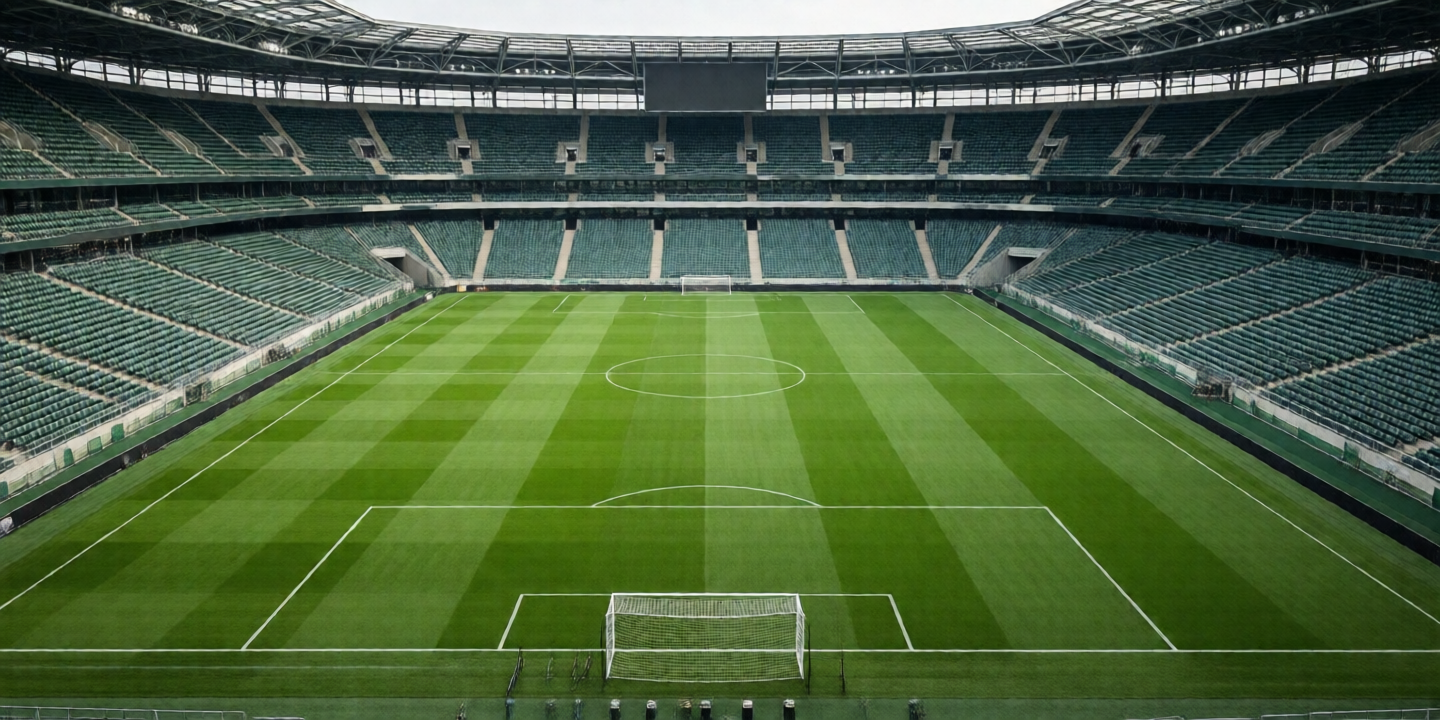
Kansas City hosted six FIFA World Cup 2026 matches in the United States, turning the Heart of America into a global football stage for one unforgettable month. The Kansas City region combined stadium action, the FIFA Fan Festival, local food, live entertainment, and cultural storytelling across a host-city program built around football and community. The official host-city coverage highlights hundreds of thousands of fans, six match days, and a regional welcome stretching across two states. Kansas City’s position as the “Soccer Capital of America®” also gave the tournament a clear local identity rather than a generic event footprint. Football Insights tracks the tournament through team tactics, player statistics, predictions, and market movement. The practical takeaway is simple: assess Kansas City through both the match schedule and the wider fan experience before judging its 2026 World Cup football impact.
Photo by Stephen Leonardi on Pexels
Kansas City’s World Cup story is bigger than ninety minutes on the pitch. The city had to deliver stadium access, transport, fan entertainment, food, safety, accommodation, and a memorable identity while hosting supporters from around the world. That is the real test of a host city, and Kansas City approached it with a direct proposition: good matches, good food, good entertainment, and good people.
The official FIFA World Cup 2026 Kansas City coverage presents the city as a regional project rather than a single venue. Its content includes match-day galleries, FIFA Fan Festival scenes, local stories, and a post-tournament reflection on the city’s effect. The event has now closed, but the useful question remains: what made Kansas City’s 2026 World Cup football operation different, and what can serious fans learn from it?
Kansas City also matters to bettors and match analysts. Venue atmosphere can influence tempo, pressure, travel routines, and public betting sentiment, although it should never replace team data. Listen up — this is the part that matters: a host-city story is valuable only when it helps you understand the football, the environment, and the numbers together.
Want the tournament context before going deeper?
The Quick Comparison
| Measure | Kansas City World Cup 2026 profile | Why it matters |
|---|---|---|
| Host location | Kansas City region, spanning Missouri and Kansas | Creates a wider regional footprint |
| Match count | Six FIFA World Cup 2026 matches | Gives fans repeated tournament access |
| Fan event | FIFA Fan Festival Kansas City | Extends football beyond the stadium |
| Audience claim | Hundreds of thousands of fans | Shows the scale of public engagement |
| Local identity | “Soccer Capital of America®” | Connects the tournament to existing football culture |
| Content available | Six match-day galleries and fan scenes | Preserves the visual tournament record |
| Long-term angle | Business, culture, sport, and innovation | Positions the event as a regional investment |
This comparison shows why Kansas City should not be judged only by stadium capacity or fixture count. The region’s strongest asset was its ability to combine the match venue with a public celebration that could serve supporters who did not have tickets. The FIFA Fan Festival model matters because it makes the tournament accessible to a much larger audience than the stadium alone.
The city’s official material also separates three experiences: watching football in the stadium, joining the fan festival, and exploring the wider Heartland. That separation is useful for visitors planning their time. It also gives analysts a cleaner framework for evaluating the host city: match delivery, public atmosphere, and regional legacy.
A practical edge appears here. Fans who plan around only kick-off times can miss the strongest part of a host-city visit. The Kansas City program was designed around full-day movement, with food, entertainment, community activity, and match viewing working as one package. For visitors comparing host cities, that is a measurable convenience, not decoration.
2026 World Cup host cities guide
Round 1: How Did Kansas City Build Its Football Identity?
Kansas City built its identity by linking FIFA World Cup 2026 to an existing football culture, a two-state region, and a public-facing festival program rather than presenting the tournament as a temporary spectacle. The “Soccer Capital of America®” label gave the host city a clear message before supporters arrived, while the six-match schedule supplied the competitive centerpiece.
The phrase is not empty branding. Kansas City has longstanding links to professional football, youth development, supporters’ groups, and major sporting events. That foundation allowed the city to welcome international fans with a language they understood: club passion, national pride, live match tension, and shared rituals. According to FIFA’s official World Cup 2026 information, the tournament is being staged across Canada, Mexico, and the United States, making local identity especially important in a competition spread over an enormous geographical area.
The Heartland positioning was another strategic choice. Kansas City is not selling itself as a coastal megacity; it is selling hospitality, access, food, sport, and regional character. The official Kansas City 2026 host-city platform describes the region as a place where business, culture, and innovation meet across Missouri and Kansas. That broad framing supports the tournament’s economic story while keeping football at the center.
For a bettor, local identity can alter the atmosphere without changing the rules. A loud crowd may increase emotional pressure, but it does not automatically produce more goals or a home-style advantage for a neutral match. Use atmosphere as a secondary variable after checking expected line-ups, defensive errors, rest days, and travel distance.
What Did the FIFA Fan Festival Add?
The FIFA Fan Festival added a free or broadly accessible public layer to the stadium experience, allowing hundreds of thousands of supporters to watch football, meet other fans, enjoy food, and take part in entertainment across Kansas City. Its value was reach: one venue could not serve every visitor seeking a World Cup atmosphere.
Kansas City’s festival concept focused on four simple promises: good matches, good food, good entertainment, and good people. That plain language was effective because it described what supporters actually want from a tournament day. A fan from Mexico, Japan, England, or the United States could arrive without a stadium ticket and still experience national colors, chants, big-screen football, and a shared crowd reaction.
The festival also helped distribute demand across the region. Stadium arrivals are concentrated around kick-off, while a public fan zone can absorb visitors for longer periods. That reduces the risk that the entire host-city experience depends on a single security checkpoint or transport corridor. The operational lesson is important: major tournaments work better when public viewing, cultural events, and match venues are connected but not dependent on one another.
A less obvious insight is that fan festivals influence post-match memory. Supporters often remember the collective reaction to a late goal, a song, or a food market as strongly as the match itself. Kansas City’s galleries and stories preserve that emotional layer, which is why the tournament’s legacy can continue after the final whistle.
See the host-city experience in greater detail here.

Photo by Cedric Fauntleroy on Pexels
Round 2: Which Kansas City Features Mattered Most on Match Days?
The most important Kansas City match-day features were repeated tournament exposure, a recognizable stadium setting, regional hospitality, and a festival network that kept supporters engaged before and after each fixture. Six matches created six opportunities to refine transport, crowd management, entertainment, and local storytelling.
A single World Cup match can create excitement, but six matches create a pattern. Supporters can visit more than once, local businesses can adjust after the opening fixture, and organizers can identify practical problems before the later match days. That repetition is a major advantage over a host city with only one or two games. It also produces a deeper archive, which Kansas City reflected through six match-day galleries.
The Kansas City stadium gallery focuses on the atmosphere inside and around the venue. Visual evidence matters because it shows the density of supporters, national colors, stewarding, match presentation, and the emotional contrast between anticipation and celebration. The official “Thank You, Kansas City” video extends that record into a farewell message, confirming that the host-city program was framed as a completed regional chapter rather than an ongoing promotion.
The strongest operational insight is this: repeated fixtures make service quality visible. If entry, transport, signage, or crowd flow performs well six times, confidence grows. If one weakness appears repeatedly, it becomes part of the host city’s reputation. Kansas City’s post-event emphasis on welcome, pride, and heart indicates that organizers wanted the hospitality story to be remembered alongside the football.
How Should Fans Plan a Kansas City World Cup Day?
Fans should plan a Kansas City World Cup day as a full schedule: secure transport early, allow time for security and stadium entry, identify the official fan zone, and reserve post-match time for food or cultural activity. A ninety-minute match is only one part of a tournament day involving large crowds and multiple event areas.
A disciplined plan looks like this:
- Confirm the stadium entrance and ticket instructions before leaving accommodation.
- Build a generous buffer for road traffic, public transport, security screening, and weather.
- Choose one primary fan activity instead of trying to cross the entire region between events.
- Carry only permitted items and keep identification, tickets, and payment options accessible.
- Arrange the return journey before the final whistle, especially after evening matches.
- Review official event updates rather than relying on old social-media posts.
Kansas City’s two-state footprint makes the last point important. “Kansas City” can refer to a metropolitan region across Missouri and Kansas, not one compact event block. Visitors should check the exact venue, festival location, accommodation area, and travel route. The U.S. Department of Transportation provides general travel and transport information, but event-specific instructions should come from official FIFA World Cup 2026 and Kansas City channels.
A contrarian conclusion follows. The best itinerary is not the busiest one. Packing a stadium visit, multiple fan events, restaurants, museums, and nightlife into one day can create missed entry windows and unnecessary travel. Choose one football priority, one food or culture priority, and one reliable return plan.
World Cup match-day planning checklist
Round 3: What Does Kansas City’s Legacy Mean for 2026 World Cup Football?
Kansas City’s legacy means that 2026 World Cup football can be evaluated as a regional development project as well as a sporting event. The official host-city message points to business, culture, innovation, sport, and community connection, while the tournament’s six matches and hundreds of thousands of fans provide concrete evidence of scale.
The legacy argument has three layers. First, the tournament gives Kansas City international visibility. Visitors who came for football also encountered local restaurants, neighborhoods, transport links, cultural venues, and the wider Missouri-Kansas economy. Second, the event strengthens the region’s football infrastructure and credibility. Third, the stories, galleries, and fan memories create reusable content for future tourism and sporting bids.
That does not mean every economic claim should be accepted without scrutiny. “Impact” can refer to visitors, spending, media exposure, infrastructure, or long-term participation, and those measures are not interchangeable. The U.S. Travel Association regularly distinguishes between travel activity and wider economic effects, a useful reminder that headline visitor totals require careful interpretation.
The information gain here is the difference between event success and legacy success. Event success asks whether matches and fan areas worked. Legacy success asks whether Kansas City gained durable football participation, stronger visitor demand, better facilities, and a more valuable global reputation. Those outcomes must be tracked after 2026, not declared solely because the festival ended positively.
Football Insights uses the same discipline when reviewing match markets. Turnover is not profit, a winning prediction is not proof of a strong method, and a busy tournament is not automatically a profitable tournament. Track stake, odds, rebate, closing price, and net position separately.
Want sharper tournament analysis built around evidence?

Photo by ANDREW PETERSON on Pexels
What Can Bettors Learn from the Kansas City Setting?
Bettors can learn that host-city atmosphere is a supporting variable, not a standalone betting signal. Kansas City’s crowd energy, neutral-match dynamics, travel conditions, kickoff timing, and public attention may affect how a game feels, but prices should still be tested against line-ups, tactical matchups, player availability, and market movement.
A rational World Cup process should record:
- Opening odds and closing odds.
- Stake size and total turnover.
- Expected probability compared with implied probability.
- Team rest, travel, and confirmed line-ups.
- Rebate or promotional value.
- Final profit or loss after every deduction.
This is where many casual bettors make a costly mistake. They see a packed FIFA Fan Festival, hear national chants, and assume the emotional setting creates an automatic over-goals or underdog angle. It does not. A crowd may raise intensity, but intensity can produce either faster attacks or cautious opening phases depending on the teams’ incentives.
The better approach is to compare the market price with football evidence. If an underdog’s defensive block has held against similar wide attacks, that tactical fact may matter more than the crowd volume. If a favorite has travelled across time zones and rotated its midfield, that information may matter more than its badge. Kansas City adds context; it does not replace analysis.
The International Betting Integrity Association provides useful industry context on integrity and responsible betting principles. For every market, maintain a net position and stop chasing losses. A tournament’s excitement is not a financial strategy.
The Final Score & Who Should Pick What
Kansas City deserves a strong host-city score because it delivered six matches, a large-scale FIFA Fan Festival, a clear Soccer Capital identity, and a regional welcome built around supporters rather than ticket holders alone. Its strongest feature was integration: stadium football, public viewing, food, entertainment, storytelling, and regional promotion operated as parts of one World Cup experience.
Here is the final assessment:
- For international supporters: choose Kansas City for a welcoming, community-led tournament atmosphere with multiple match opportunities.
- For families: prioritize the FIFA Fan Festival and daytime activities, then build a simple stadium plan around one fixture.
- For football analysts: study the six-match sequence, crowd conditions, travel variables, and line-up data without overrating atmosphere.
- For bettors: use Kansas City as context, then calculate probability, price, turnover, rebate, and net position.
- For future host cities: copy the regional storytelling and public fan access, but measure long-term outcomes separately from attendance.
The closing message from the Kansas City host-city project is persuasive because it is specific: six matches, hundreds of thousands of fans, and one region united around welcoming the world. That is more than a slogan when matched with galleries, festival coverage, and a defined regional identity. The 2026 World Cup football tournament may move on, but Kansas City’s test remains useful for fans, organizers, and disciplined market readers.
Our recommendation is clear: remember the atmosphere, but make decisions from verified football data and recorded financial results. Football Insights will continue covering match predictions, tactics, player stats, and tournament developments with that standard.
Ready to follow the next major football market with a sharper process?
World Cup predictions and team tactics
Frequently Asked Questions
Q: What is 2026 World Cup football in Kansas City?
A: 2026 World Cup football in Kansas City refers to the city’s role as a FIFA World Cup 2026 host region, including six matches and related fan events. The program extended beyond the stadium through the FIFA Fan Festival Kansas City, local entertainment, food, and regional cultural storytelling. Kansas City presented the tournament across Missouri and Kansas, using its “Soccer Capital of America®” identity to connect global football with local supporters.
Q: How many World Cup matches did Kansas City host in 2026?
A: Kansas City hosted six FIFA World Cup 2026 matches. That number gave the region repeated exposure rather than a one-day tournament presence, allowing supporters, businesses, and organizers to experience multiple match days. The six-match schedule also created a substantial visual record through official Kansas City stadium galleries and fan coverage.
Q: How can fans plan a Kansas City World Cup match day?
A: Fans should confirm the exact venue, ticket instructions, transport route, security rules, and fan-festival schedule before travelling. Arrive early, allow extra time for traffic and screening, and plan the return journey before kick-off because the Kansas City region spans Missouri and Kansas. Use current FIFA World Cup 2026 and Kansas City event updates rather than outdated social-media posts.
Q: What is the difference between the FIFA Fan Festival and the stadium experience?
A: The stadium experience is a ticketed live match environment, while the FIFA Fan Festival is a broader public celebration built around football viewing, food, entertainment, and community activity. The stadium provides direct access to the pitch and match presentation; the festival serves more supporters and creates a social, city-wide atmosphere. Both are important, but they meet different visitor needs.
Q: Is Kansas City a good host city for international football fans?
A: Kansas City is a strong choice for fans who value hospitality, regional culture, food, entertainment, and repeated tournament access. Its six matches and FIFA Fan Festival created more than a single stadium visit, while the Heartland positioning gave the city a distinctive personality. Visitors should still plan transport carefully because the metropolitan area crosses state lines and event locations may be widely separated.
Q: Can Kansas City atmosphere improve a World Cup betting prediction?
A: Kansas City atmosphere can provide context, but it cannot reliably improve a prediction without supporting team and market data. Bettors should compare opening and closing odds, confirmed line-ups, tactical matchups, rest, travel, implied probability, turnover, rebates, and net position. Treat crowd energy as a secondary factor and never assume a busy festival automatically creates an over-goals, underdog, or favorite angle.
Q: What should bettors track during the 2026 World Cup?
A: Bettors should track stake size, odds, closing price, implied probability, turnover, rebates, and final net profit or loss for every selection. Record team news, player availability, travel, rest days, and tactical changes alongside financial results. This separates genuine edge from short-term luck and prevents tournament excitement from disguising a negative position.