
Before You Book Atlanta, Read This 2026 World Cup Breakdown
World Cup football 2026 will be the largest FIFA tournament ever staged, with 48 teams, 104 matches, and three host countries: the United States, Canada, and Mexico. Atlanta, Georgia, is one of the United States host cities, with Mercedes-Benz Stadium selected for eight matches, including a semifinal. The tournament runs from June 11 to July 19, 2026, and Atlanta’s retractable-roof venue gives supporters a controlled environment during the city’s hot, humid summer. FIFA World Cup 26 will also bring major travel pressure, changing kickoff times, and sharply different team conditions across North America. Football Insights tracks match predictions, tactical trends, player statistics, and tournament developments for fans assessing both football quality and betting value. The practical takeaway is simple: confirm the official schedule, budget for transport and accommodation early, and judge every wager against confirmed lineups rather than reputation.

Photo by K on Pexels
The Bottom Line
Atlanta is one of the strongest World Cup football 2026 bases for supporters who want a major-city experience, fast airport access, and a high-profile knockout match. Mercedes-Benz Stadium is located downtown, close to Centennial Olympic Park, State Farm Arena, the College Football Hall of Fame, and MARTA rail connections, so visitors can build a complete matchday around the stadium rather than treating it as an isolated venue. The official FIFA World Cup 26 host-city information remains the authority for fixtures, ticketing rules, and venue updates, while the Atlanta Football Club World Cup site provides local event information.
Listen up — this is the part that matters: Atlanta’s value is not simply that it hosts a semifinal. Its real edge is operational. The city offers direct international air connections through Hartsfield-Jackson Atlanta International Airport, a large hotel base, and a stadium designed for efficient crowd movement. Those advantages can disappear quickly when thousands of visitors arrive at the same time, particularly if accommodation is booked close to match dates.
For a serious supporter, the correct plan is to separate three decisions:
- Secure the match ticket through official FIFA channels.
- Reserve a refundable room near a MARTA station.
- Recheck the fixture, kickoff time, and team news before making travel or betting commitments.
Want a sharper tournament overview before planning your trip?
What Will Players and Supporters Actually See in Atlanta?
Atlanta will present a fast, enclosed, high-capacity match environment at Mercedes-Benz Stadium, with downtown access, strong public transport, and a loud local football culture shaped by Atlanta United FC. The stadium’s roof and air-conditioning reduce weather uncertainty, but traffic, hotel pricing, and long tournament travel remain material concerns for visitors and teams.
The scene is easy to picture: black-and-gold signage across downtown, supporters moving beneath the glass towers, and a full stadium turning a routine group-stage match into a national event. Mercedes-Benz Stadium has a football capacity of more than 71,000, although the exact World Cup configuration and seating map will depend on FIFA operations. Atlanta United’s established support base matters because the city already understands football crowds; this is not a market starting from zero.
The venue’s downtown position creates a useful contrast with some sprawling North American stadium sites. MARTA can reduce dependence on expensive rideshares, especially when roads around Centennial Olympic Park and Northside Drive become congested. However, visitors should not assume the rail system removes all friction. After a night match, trains and stations will be crowded, and a ten-minute walk can become thirty minutes when security controls and pedestrian flows are active.
Teams face a different calculation. Atlanta’s June and July climate may produce heat exposure before players enter the controlled stadium environment. Training schedules, recovery routines, and travel distances across the 2026 tournament will affect performance. A team arriving from a Pacific or Mexican venue may experience a different preparation burden from a team already based in the southeastern United States. Football Insights will treat those factors as measurable inputs, not decorative background.
To understand the venue and local atmosphere, review our Atlanta World Cup venue guide before choosing accommodation or transport.
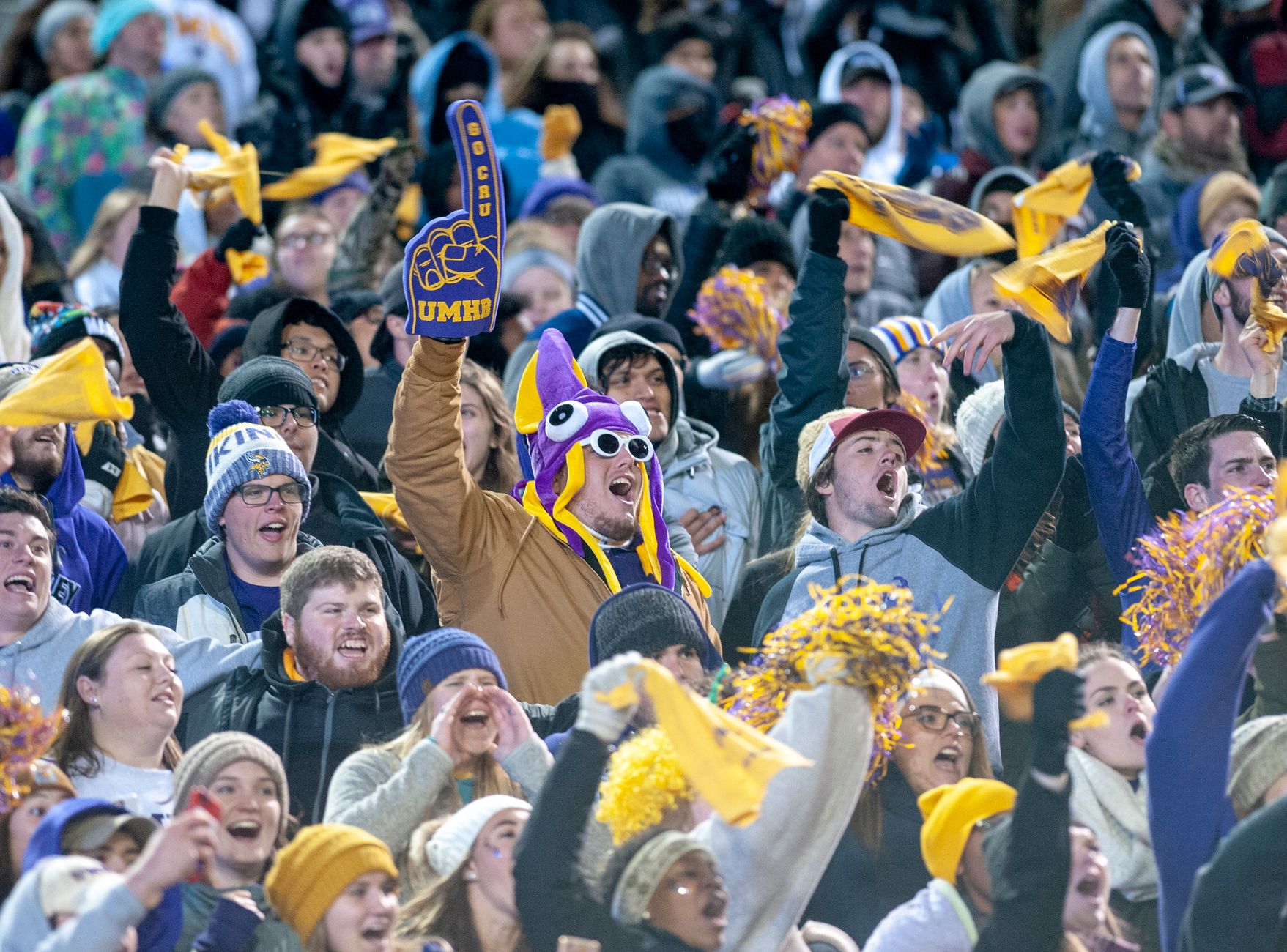
Photo by David Morris on Pexels
What Are the 3 Things That Matter Most?
The three decisive factors are fixture timing, travel load, and confirmed player availability. These inputs influence both the quality of the matchday experience and the accuracy of World Cup football 2026 predictions far more than a team’s historical name value.
1. Fixture timing changes the entire plan
The complete match calendar determines whether Atlanta hosts a group match, knockout tie, or semifinal on a given date. Do not rely on an old social-media graphic or a reseller listing that omits the official fixture number. FIFA may publish venue assignments and kickoff times in stages, and broadcast requirements can affect local start times. A match that appears convenient on paper can become difficult if it finishes after peak rail service or overlaps with another major downtown event.
2. Travel load creates an overlooked football edge
The 2026 format expands the field to 48 teams, divided into 12 groups of four. That increases the number of matches and creates more complex routes across Canada, Mexico, and the United States. A team’s previous venue, flight distance, time-zone change, and recovery days should be recorded before evaluating a handicap or total-goals market. The U.S. Soccer Federation and FIFA competition communications are useful reference points, but the final edge comes from matching the schedule to each squad’s actual route.
3. Lineups beat reputation
A famous forward does not automatically create value if the team’s midfield is missing its ball-progressing player or its fullbacks cannot handle wide transitions. Track starting elevens, goalkeeper changes, suspension risk, and minutes played in the previous match. Our practical rule at Football Insights is strict: no serious pre-match position should be treated as final until the official lineup window is close enough to reveal the coach’s real plan.
A disciplined match review should include:
- Rest days between fixtures.
- Distance and direction of the previous journey.
- Stadium conditions and expected roof status.
- Set-piece strength at both ends.
- Substitution depth after the 60th minute.
- Market movement after confirmed lineups.
- Your maximum loss before placing any wager.
Get the tactical and statistical context before the market becomes crowded.
How Should You Read World Cup Football 2026 Betting Markets?
World Cup football 2026 markets should be read through probability, price, and exposure rather than excitement about a host nation or superstar. Compare your estimated probability with the implied probability in the odds, remove the bookmaker margin where possible, and stake only an amount that remains affordable if the result goes against you.
A simple example makes the point. Decimal odds of 2.20 imply roughly 45.5% before accounting for margin. If your evidence gives a team a 50% chance, the apparent edge is meaningful only after checking lineup uncertainty, market limits, and whether the price has already shortened. A 2% theoretical advantage is not permission to overbet; it is a narrow estimate that can vanish through one late injury or tactical change.
This is where a contrarian approach helps. Many public bettors overvalue attacking highlights and undercount defensive absences. In a tournament played across three countries, travel and recovery may matter more than a team’s average qualifying performance. A side with 60% possession in qualifying is not automatically attractive if it faces a direct opponent, loses its first-choice holding midfielder, and has one fewer recovery day.
Track your net position, not just individual wins. Record:
- Opening odds and closing odds.
- Stake amount and potential return.
- Commission, fees, or rebates where applicable.
- Result and closing-line movement.
- Running profit or loss after every match.
- Whether the original reasoning was correct even when the result was not.
This record separates genuine analytical skill from random short-term success. Football Insights focuses on predictions, tactics, player stats, and tournament coverage, but no responsible analyst can guarantee a winning result. The FIFA Statutes and official competition information should take priority over anonymous tip sheets, recycled claims, or unverified injury posts.

Photo by https://kaboompics.com/ on Pexels
What Are the Edge Cases and Gotchas?
The biggest World Cup 2026 mistakes happen outside the ninety minutes: unofficial ticket sales, nonrefundable bookings, unclear kickoff times, poor transport assumptions, and betting positions built before lineups are confirmed. These problems are avoidable when each decision has a verification step and a financial limit.
First, ticket authenticity matters. FIFA ticketing rules, transfer conditions, and resale restrictions can change, so a cheap listing on an unfamiliar platform may carry more risk than a higher-priced official option. Second, Atlanta accommodation prices can rise sharply around knockout matches, especially near Downtown Atlanta, Midtown, and neighborhoods with direct rail access. A refundable booking made early is usually more rational than waiting for certainty and paying a premium later.
Third, weather still matters even inside Mercedes-Benz Stadium. The retractable roof can control rain and direct heat, but the route from a hotel, restaurant, or rail station remains outdoors. Supporters should allow extra time for security, hydration, and pedestrian congestion. FIFA’s event operation may also change normal stadium entry procedures, so a standard Atlanta United matchday routine is not a guaranteed template.
Fourth, betting markets can produce false confidence during live play. A goal changes the score, but it does not always change the underlying performance by the same amount. A team may lead while being outplayed, or trail after a deflection despite controlling territory. Avoid chasing losses during a noisy match; if your planned stake is already used, the correct next position may be no position at all.
For deeper preparation, consult our World Cup betting bankroll guide and lineup-based prediction checklist. They are designed to keep turnover, rebate value, and net exposure visible rather than allowing emotion to run the account.
A practical Atlanta checklist
- Confirm the fixture on FIFA.com.
- Check the venue’s current entry guidance.
- Use a hotel with a reliable MARTA route.
- Keep digital and printed booking records.
- Arrive early for security and crowd controls.
- Monitor official team announcements.
- Set a daily betting limit before the tournament begins.
- Never treat a promotional rebate as guaranteed profit.
See the operational details before finalizing your Atlanta itinerary.
Why Is Atlanta a Strong 2026 World Cup Base?
Atlanta is a strong 2026 World Cup base because Hartsfield-Jackson Atlanta International Airport, MARTA, Downtown Atlanta, and Mercedes-Benz Stadium form a relatively connected event corridor. The city combines global air access with a compact central attraction zone, giving visitors more practical flexibility than a venue dependent entirely on private vehicles.
That advantage should not be overstated. Atlanta traffic is serious, and a short distance on a map can become an hour during a major match. Visitors staying outside the MARTA network may face surge pricing, road closures, and limited pickup access near the stadium. The best plan is to select lodging based on transport reliability, not merely on the lowest nightly rate or the most attractive photograph.
The surrounding city also gives supporters meaningful alternatives before and after matches. Centennial Olympic Park offers a natural gathering point, while the National Center for Civil and Human Rights, World of Coca-Cola, Georgia Aquarium, and College Football Hall of Fame provide recognizable attractions for mixed-interest groups. Atlanta’s food scene adds another layer, from Southern staples to global restaurants around Midtown and Downtown.
For teams and bettors, the city’s importance is broader than tourism. A semifinal venue attracts global attention, which can inflate public money on perceived favorites. That creates a clear analytical warning: high visibility can distort prices. A tournament market becomes more attractive when the odds reflect a measurable tactical edge rather than the noise surrounding a famous badge.

Photo by cottonbro studio on Pexels
What Is the Final Verdict on World Cup Football 2026 in Atlanta?
Atlanta deserves serious attention as a World Cup football 2026 destination, but its best feature is not hype; it is the combination of Mercedes-Benz Stadium, Hartsfield-Jackson Atlanta International Airport, MARTA, and an established football audience. The city is particularly attractive for supporters who want one major match plus museums, restaurants, nightlife, and a recognizable downtown setting.
The rational play is to plan in layers. Lock in flexible accommodation, verify FIFA’s official ticket and fixture information, build a transport route that does not depend on one rideshare, and reserve financial capacity for unexpected costs. For match analysis, weigh travel distance, rest, tactical matchup, and lineups before considering odds. A rebate, bonus, or attractive opening price has value only after turnover and total exposure are properly tracked.
Football Insights will continue covering team tactics, player statistics, match predictions, and tournament developments throughout 2026. We serve readers best by separating evidence from noise and by stating clearly when the available information is not strong enough for a wager. That is the verdict: Atlanta is a compelling host city, but preparation and price discipline—not enthusiasm—will determine whether your World Cup experience is genuinely rewarding.
Ready to follow the tournament with structured football analysis?
Frequently Asked Questions
Q: What is World Cup football 2026?
A: World Cup football 2026 is the FIFA men’s tournament hosted by Canada, Mexico, and the United States from June 11 to July 19, 2026. It expands to 48 teams and 104 matches, making it the largest edition in tournament history. Atlanta is one of the United States host cities, and Mercedes-Benz Stadium is scheduled to stage eight matches, including a semifinal. Always confirm final fixture details through FIFA’s official channels.
Q: How do I plan a trip to the Atlanta World Cup matches?
A: Plan an Atlanta World Cup trip by confirming the fixture, booking flexible accommodation, and choosing a location near MARTA or a dependable transport route. Hartsfield-Jackson Atlanta International Airport provides extensive air connections, while Downtown Atlanta places visitors near Mercedes-Benz Stadium and major attractions. Reserve early, keep cancellation options where possible, and allow additional time for security, traffic, and post-match crowds.
Q: What is the difference between attending a group match and a semifinal in Atlanta?
A: A group match usually offers more scheduling flexibility, while an Atlanta semifinal carries higher demand, tighter accommodation availability, and greater public attention. The football stakes are also different because knockout matches can go to extra time and penalties. Supporters attending a semifinal should plan transport after the potential extended finish and should not assume normal rail or rideshare availability.
Q: Is Atlanta a good city for World Cup visitors?
A: Atlanta is a strong World Cup city for visitors who value airport access, a downtown stadium, public transportation, and broad entertainment choices. Mercedes-Benz Stadium, Centennial Olympic Park, Georgia Aquarium, World of Coca-Cola, and the College Football Hall of Fame are close enough to support a multi-day itinerary. The main drawbacks are summer heat, traffic congestion, and accommodation prices around high-demand fixtures.
Q: How can I make better World Cup 2026 predictions?
A: Make better World Cup 2026 predictions by comparing confirmed lineups, rest days, travel routes, tactical matchups, and current odds. Historical rankings alone are not enough because the 2026 tournament spans Canada, Mexico, and the United States, creating different climate and travel conditions. Record each prediction, stake, closing price, and result so you can measure actual decision quality instead of remembering only dramatic wins.
Q: What should I do if World Cup ticket information does not match a resale listing?
A: Stop before paying and verify the match, seller, transfer rules, and ticket status through FIFA’s official ticketing information. Unofficial listings may display an incorrect fixture, restricted transfer conditions, or a price that excludes additional charges. Use a payment method with appropriate protection, retain all correspondence, and never treat a countdown timer or scarcity claim as proof of legitimacy.
Q: How much money should I budget for an Atlanta World Cup visit?
A: Budget separately for tickets, accommodation, transport, food, insurance, and emergency spending because costs can rise around knockout matches. A practical minimum is a flexible travel reserve that covers at least one extra hotel night and a replacement transport option. For betting, set a completely separate bankroll, define a maximum loss before kickoff, and never use essential travel funds to recover a losing position.